Games of Excellence · October 25, 2026

You brought the energy.
Keep the challenge going.

Thank you for being part of the Games of Excellence at Improve Canada. Revisit the challenges, try a new approach with your family and friends, and discover the activities we saved for another day.

Explore the stories and inspiration ↓ Jump to the home challenges ↓
5 challenges played2 bonus activities8 Blind Block arrangementsThink · Move · Build · Communicate

A note to our Games of Excellence families

The opening I wanted to share.

Thank you for being part of the Games of Excellence. I’m proud of the experience we created together and of the effort, teamwork and enthusiasm the children brought to it.

As families arrived, I was still putting the final pieces in place, and the opening was more hurried than I had intended. There was a message I had planned to share before the first challenge, and I didn’t get the chance to give it the time it deserved.

This was that introduction. Stephen Wiltshire’s story was a way into something at the heart of why I created CEA: reimagining the purpose of education. I believe education should help children discover their strengths, pursue their passions early in life, embrace growth and master the art of learning. It should nurture the confidence, freedom and personal sovereignty to think for themselves, develop their abilities and shape their own lives. When children grow up with that sense of possibility and purpose, they can help transform our world.

I’d love you to explore it with your children. Next time, I’ll give the welcome and introduction the preparation and space they deserve. For now, I’m glad I can share this missing piece with you.

Simon Wolfson
Collaborative Education Alliance

Welcome to the Games of Excellence

The power
within us.

Every child has something valuable to bring.

Discover your strengths.Give them room to grow.
Use them to help others.

Today, we get to discover what we can do together.

Meet the artist

Stephen Wiltshire

An artist with an extraordinary visual memory.
He can see a city from above, then draw it from memory.

Stephen at age 10A childhood photograph.Open photograph ↗Stephen as an adultA portrait from 2021.Open photograph ↗
Inside the helicopterStephen wearing his headset, April 2011.
Open photograph ↗

Photographs open from Stephen Wiltshire’s official archive in a new tab. Close that tab to return here.

Look closely

A city remembered.

Buildings. Windows. Streets. Skylines.
Look at the detail in Stephen’s panoramic drawings.

TokyoA ten-metre panorama, created in 2005.See Stephen’s work ↗LondonA city view drawn after a helicopter flight.See Stephen’s work ↗New YorkStephen with his sweeping panorama.See Stephen’s work ↗

What is the smallest detail you can spot?

Explore the stories on Stephen’s official websites: Tokyo · London · New York.

From discovering strengths to developing mastery

What if your greatest skill
is learning how to get good?

Stephen’s work invites us to wonder what we can do.
Josh Waitzkin’s story invites us to explore how we grow.

First, chess.Josh became an eight-time national chess champion in his youth.
Then, martial arts.He went on to win world championship titles in Tai Chi Chuan Push Hands.

“What I am best at, is the art of learning.”

Josh Waitzkin · Explore The Art of Learning ↗ · Read Josh’s story ↗

The art of learning

Getting good teaches you
how to get good again.

As you develop a skill deeply, you learn how to practise, work through frustration, break through plateaus and keep improving.

“I have learned something difficult before.
I can learn something difficult again.”

That experience travels with you: the confidence to begin, the patience to practise and the ability to find a way forward.

What can you do now that once felt really difficult?
What helped you get there?

Now it’s your turn

What is your superpower?

Your strengths are your own. Some you already know.
Some you will discover by trying.
Every challenge is a chance to practise the art of learning.

Noticing detailsSolving problemsCreating ideasStaying steadyKeeping goingHelping your team

Bring your strengths. Encourage each other.
See what you can achieve together.

Explore the games at home →
From the event to your home

Another chance to try.

The games brought together attention, teamwork, communication, balance and persistence. These five challenges were part of the day. Open the original pages or follow the home instructions below. Play cooperatively, swap roles, and see what changes with practice.

Played at the event · Focus & visualization

Track the Squirrel

Play at home

You need: your imagination and someone to call the moves. No screen or paper is required. The optional grid below helps you picture the starting layout.

The practice rule: track every move in your mind. Do not write down directions, trace the route or make notes. Say your final answer aloud only when the caller finishes.

  1. Choose a caller. Agree on a 5 × 5 grid: columns A to E from left to right, rows 1 to 5 from top to bottom. Start the squirrel at C3.
  2. The caller makes up a route and says “up”, “down”, “left” or “right”, one cell per instruction. Keep this home route inside the grid, with no wrapping at the edges. The caller can use a private grid to check the answer.
  3. Everyone else silently visualizes the squirrel moving. At the end, say which cell it reached, then compare with the caller.
  4. Swap roles. Begin with a few slow moves, then add more as you improve.
ABCDE
1
2
3🐿️
4
5
Caller-only sample route and answer

Start at C3. Call: up, right, down, down, left. The squirrel finishes at C4. Keep this answer out of view until everyone has answered.

Build your visualization: begin with the grid visible, then look away or close your eyes and hold the whole grid in your mind. Try longer routes or a quicker pace when you are ready. Future events may make this challenge more difficult, so practise relying on your mental picture.

These are home practice instructions. They do not change the event results.
View the original event challenge →
Played at the event · Team strategy

100-Piece Puzzle

Play at home

You need: A 100-piece puzzle, clear table and timer.

Begin with all pieces separated. Agree whether the box picture is visible, then start the clock. Divide the work, communicate and keep everyone involved. Try a second attempt using a different strategy.

Event scoring: under 5 minutes: 50 points; under 6: 40; under 7: 35; under 8: 30; under 10: 25; under 12: 20; under 15: 15. At home, keep going for fun after the time limit.

Open 100-Piece Puzzle →
Played at the event · Attention to detail

Word Search

Play at home

You need: The online grid, or a printed copy and pencil.

Give yourselves ten minutes or start untimed. Find words left to right, top to bottom, and diagonally down to the right. Words do not run backwards or upwards. Use the grid coordinates to describe where a word begins.

For a simple home score, count the words found correctly and try to beat your own total.

Open Word Search →
Played at the event · Balance & persistence

Slackboard Challenge

Play at home

You need: A slackboard, clear space and timer. Use the board according to its instructions, with an adult nearby.

Start timing when the player is balanced and ready. Stop when they step off. Record the time and try again. Open the original page for the event timer and point counter.

No board? Stand on one foot on the floor, eyes open, beside a stable support. Compare your own times. This home variation has different results from the board challenge.

Open Slackboard Challenge →
Played at the event · Communication & spatial thinking

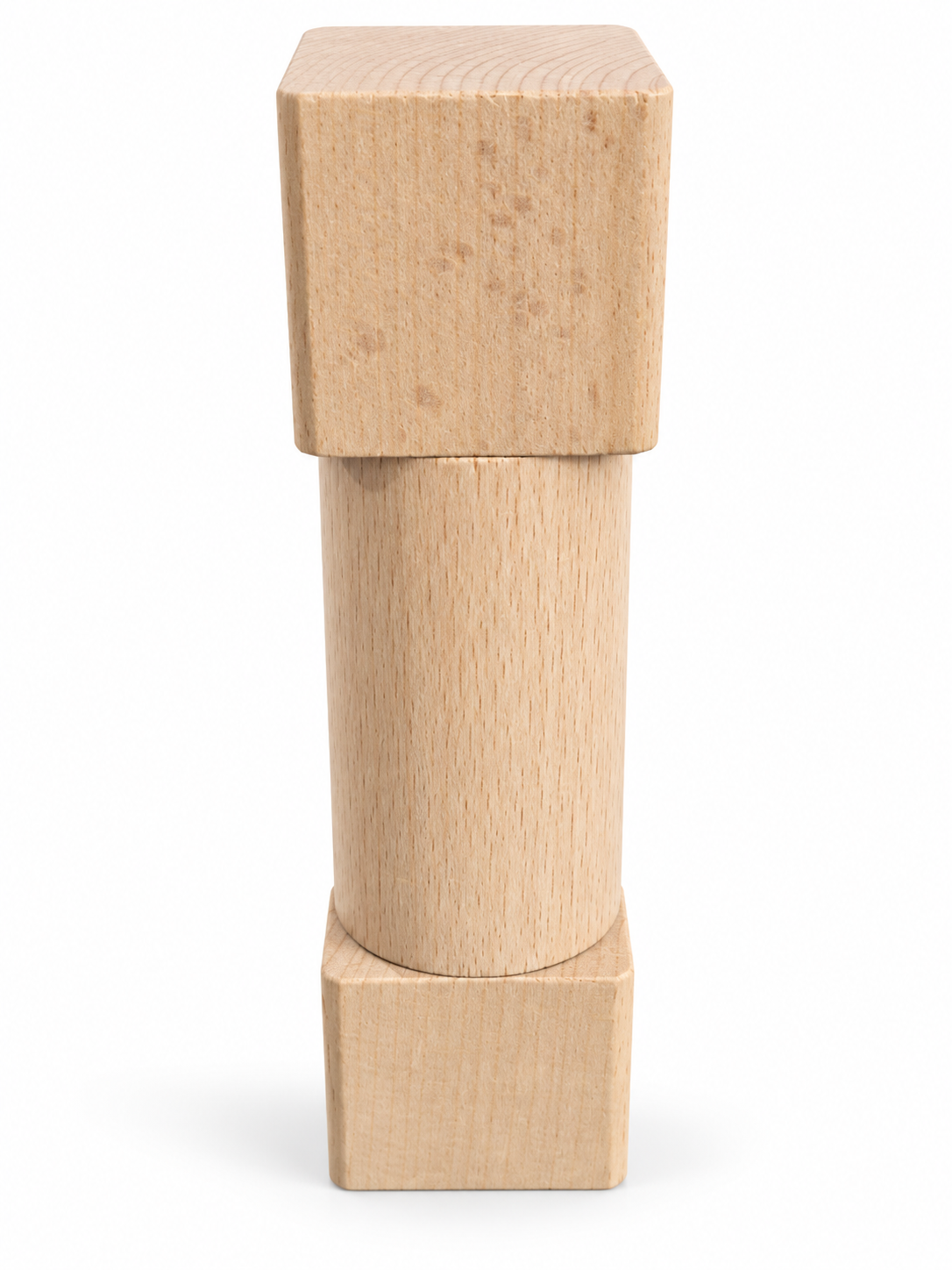
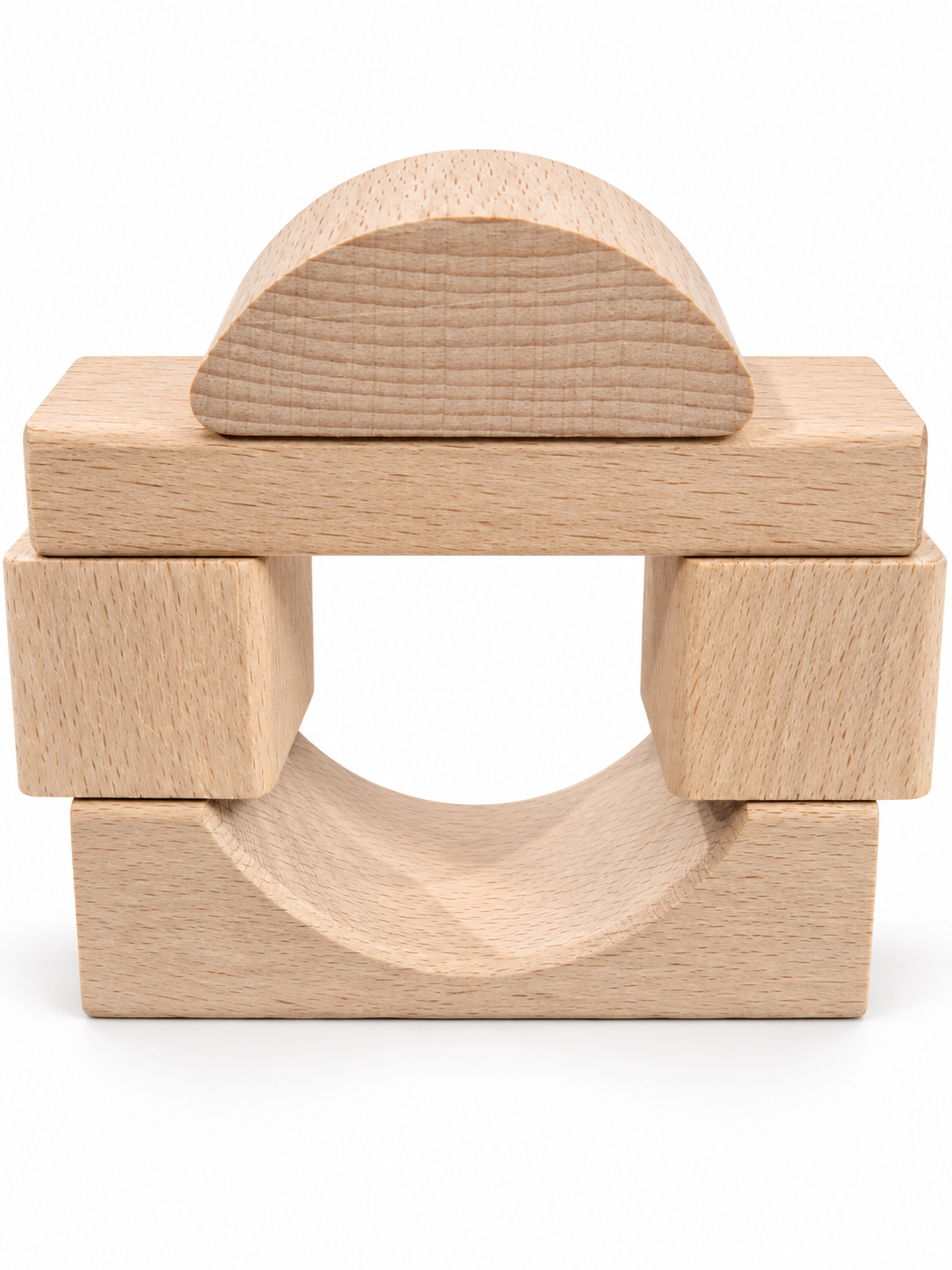
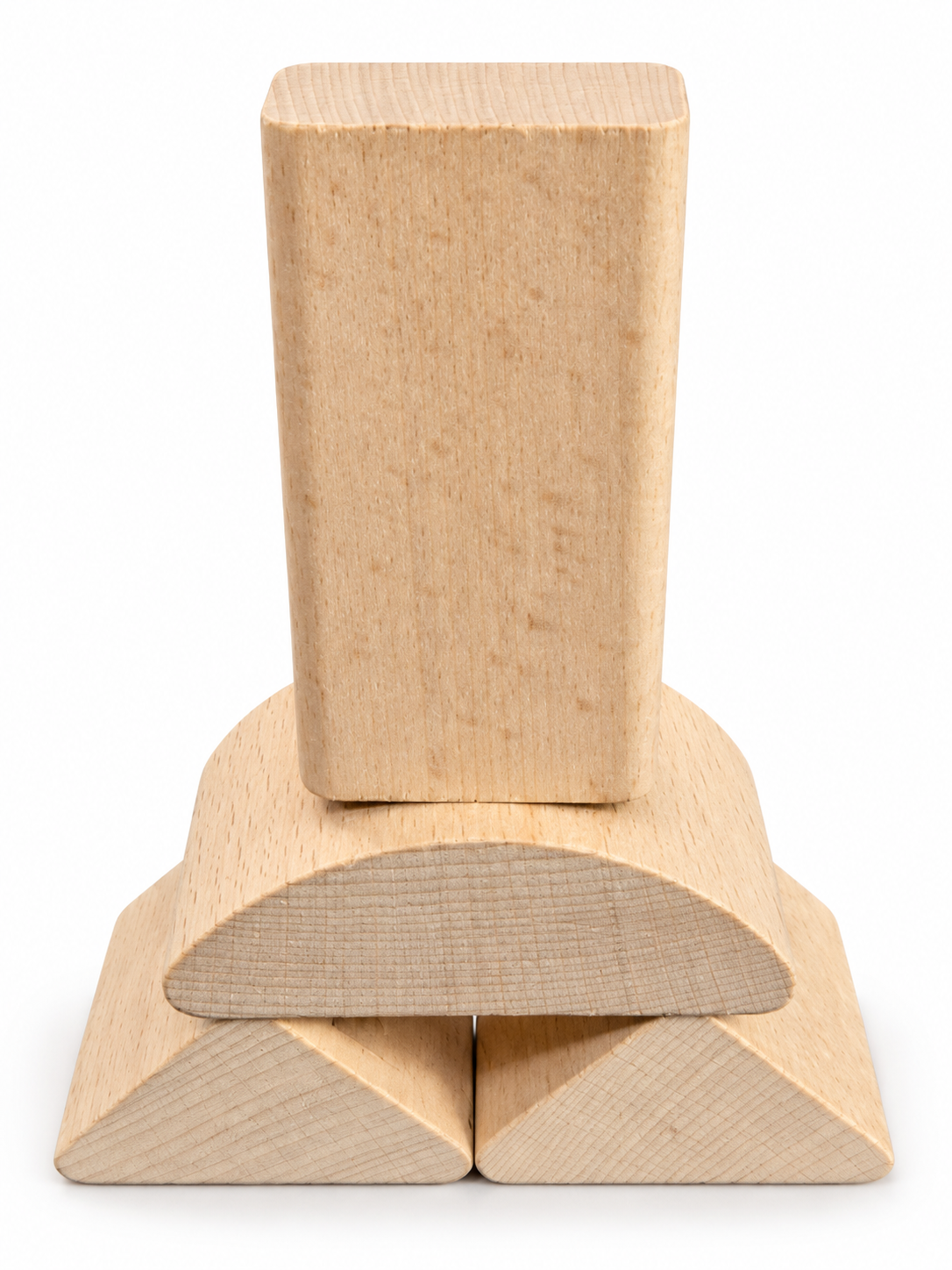
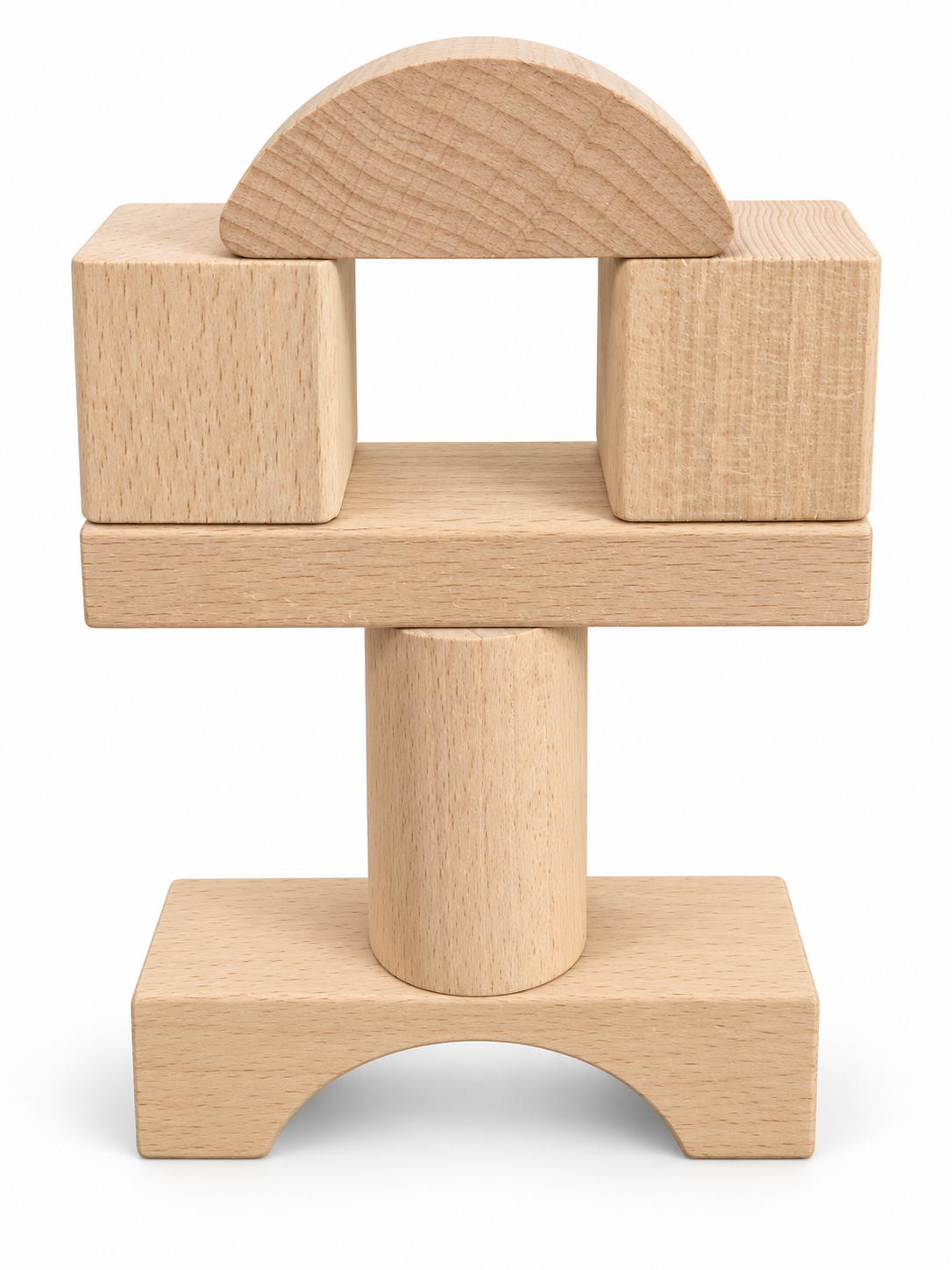
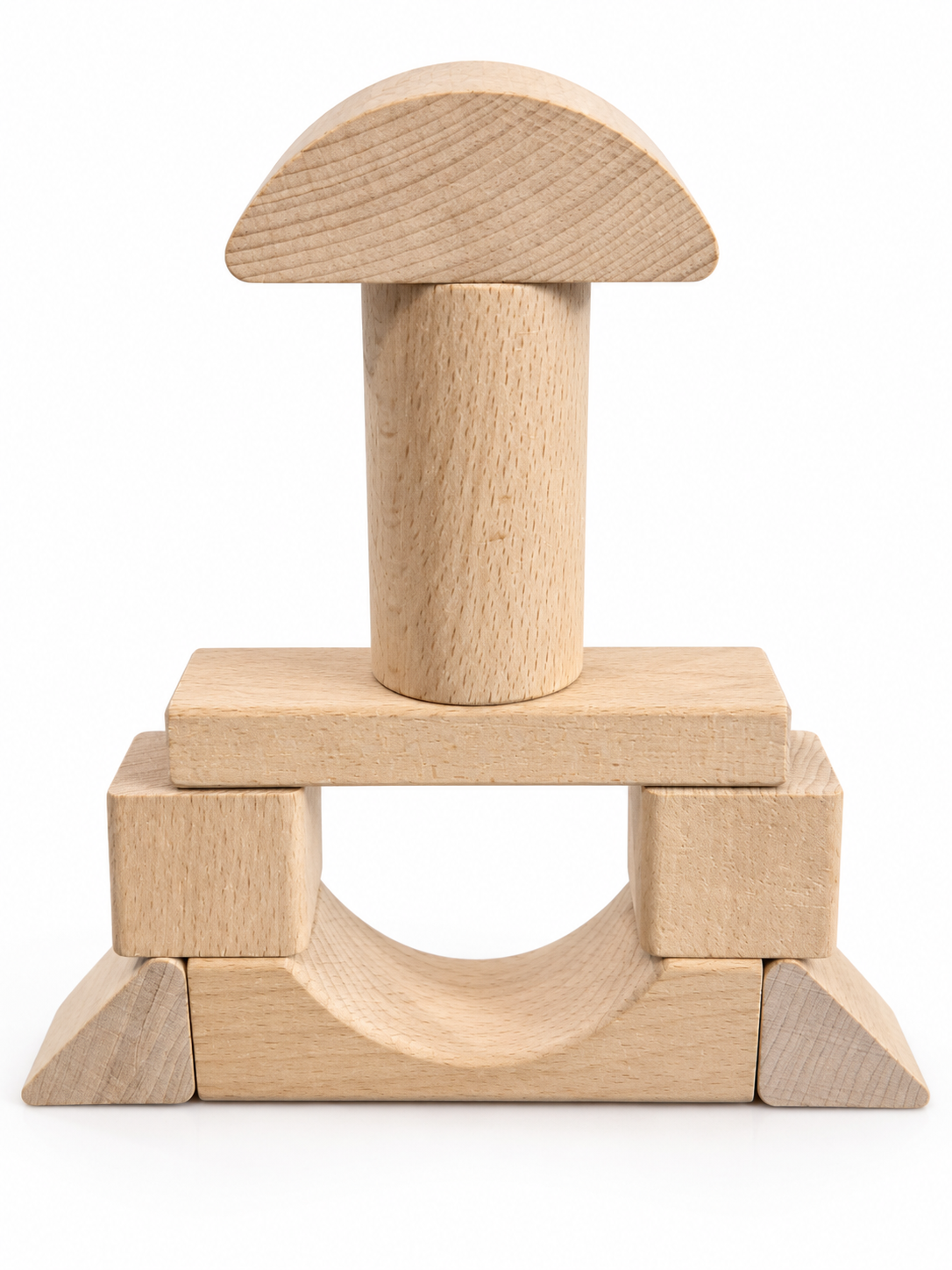
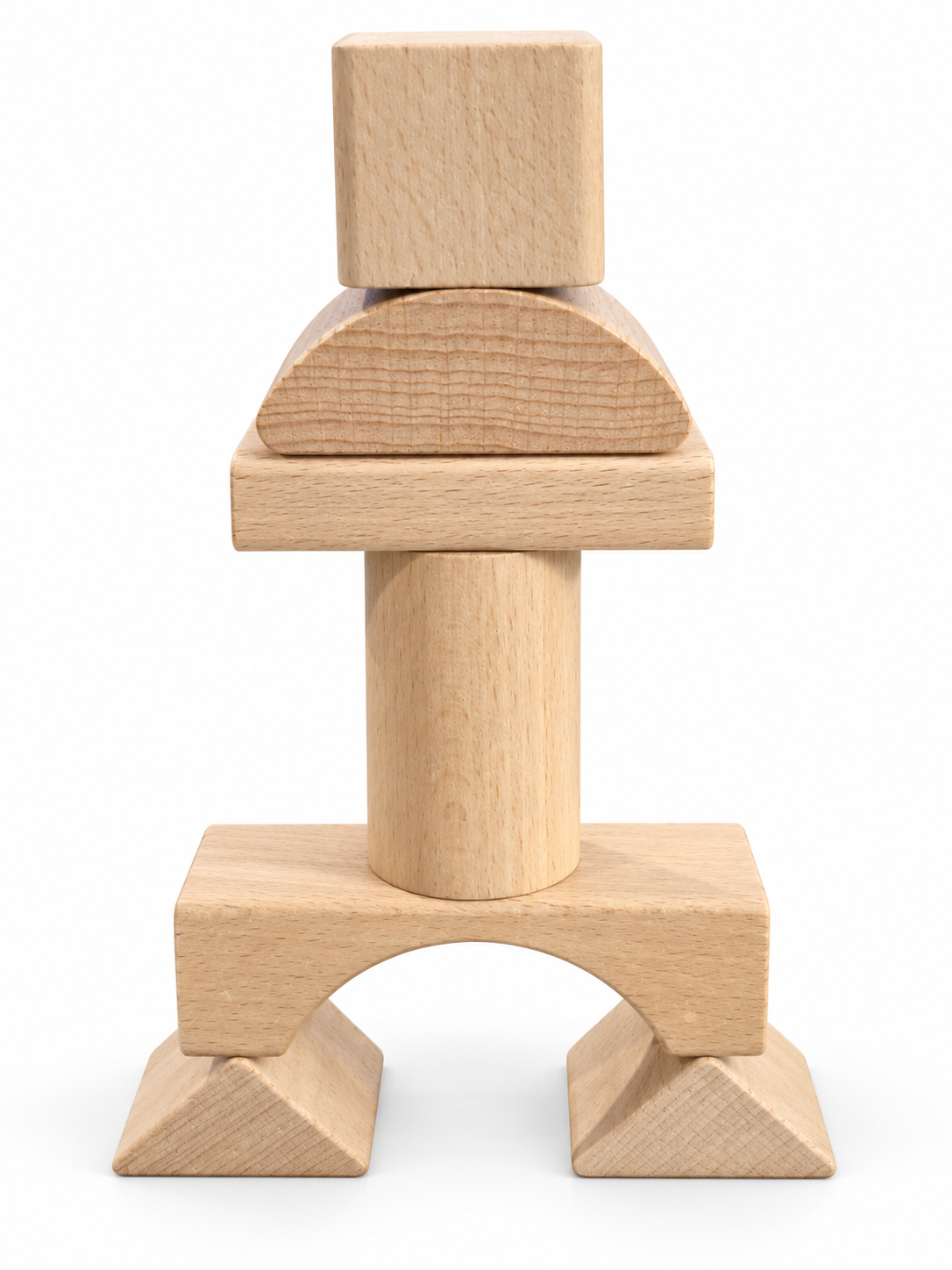
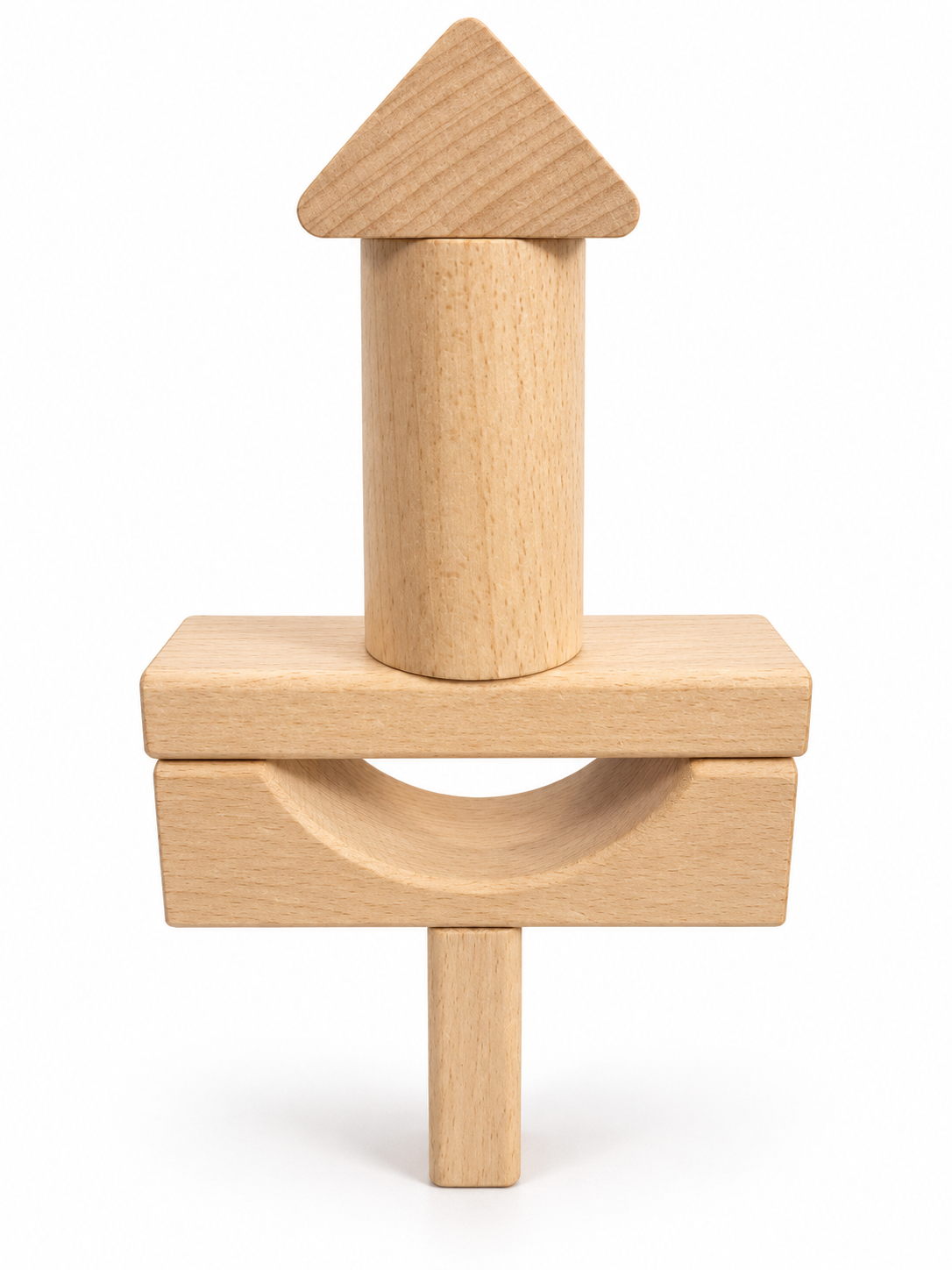
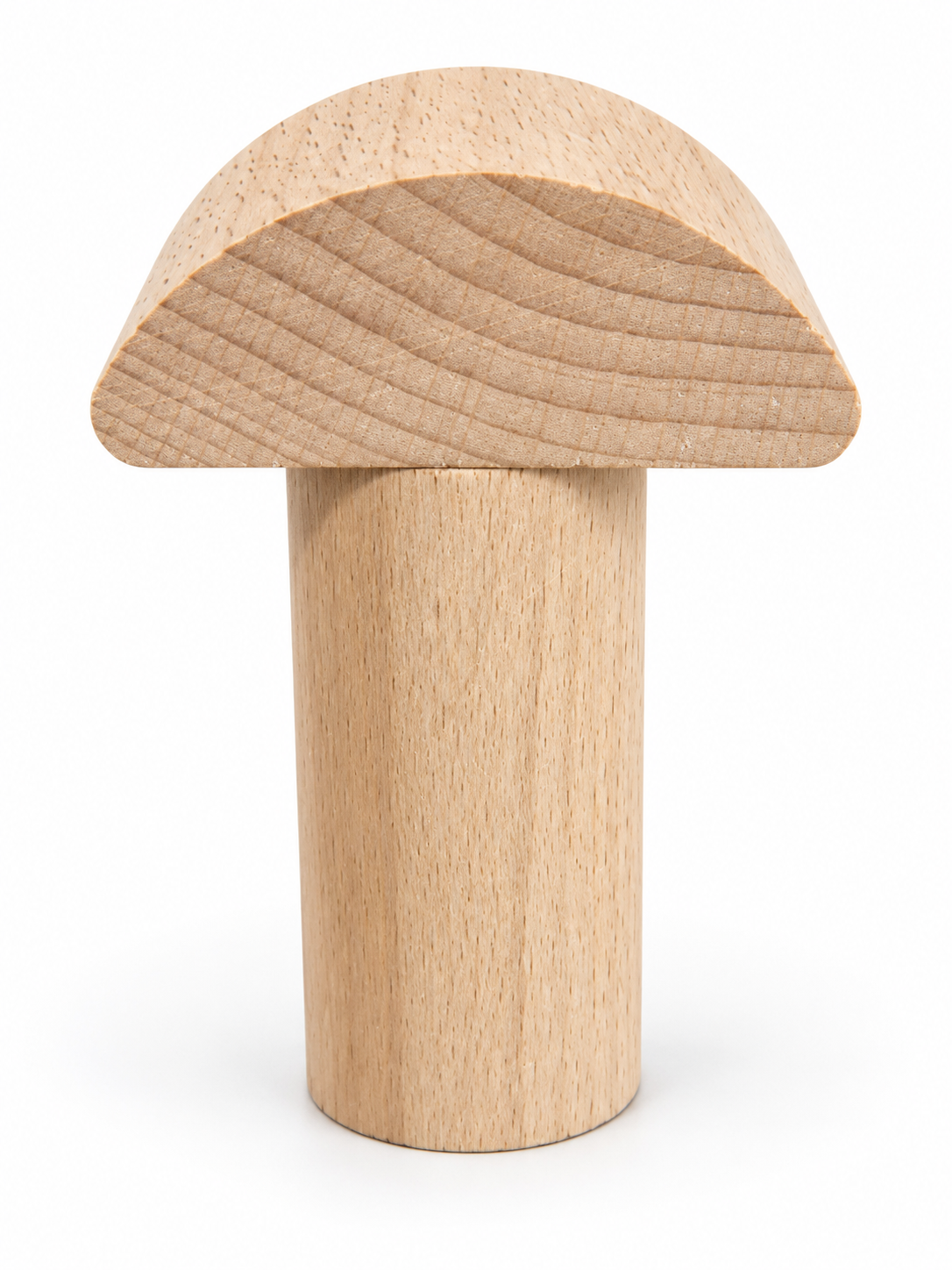
Blind Block Challenge: all eight builds

One person builds without seeing the model or their pieces. The others guide them using words. The first five arrangements formed the main challenge. The final three are bonus builds we didn’t get to.

Play at home

You need: wooden blocks and a screen or box that hides the builder’s view while leaving room for their hands. The original kit has two cubes, one cylinder, two triangles, one half-round, one arch, one short plank and one long plank.

  1. Choose any arrangement below. Only the coaches look at the target.
  2. The builder works by touch. Coaches use words only, with left and right from the builder’s viewpoint.
  3. Say “short plank” or “long plank” clearly. The builder may ask questions.
  4. Compare the finished build with the picture, then swap roles.

Start untimed. Original main-round limits: 1, 2, 3, 3 and 5 minutes. Bonus builds are untimed and unscored. If your blocks differ, create a stable arrangement with your own set, photograph it, and use the same communication rules.

Open pieces, rules and round timers →
Planned for the day · Ready for home

Two more ways to work together.

We ran out of time for these activities at the event. Now you can give them a go with your family or friends.

Bonus activity · Coordination

Cup Teamwork Challenge

Move and arrange cups using a rubber band controlled by strings. The challenge is getting everyone to move together.

Play at home

You need: lightweight cups, a strong rubber band and one string per player. Tie the strings around the band, with loops at the free ends.

  1. Each player holds a string. Pull gently together to stretch the band around a cup.
  2. Ease the tension so the band grips the cup. Lift and move it together.
  3. Lower it into place, then pull gently to release.
  4. Copy the arrangements on the challenge page. Only the tool touches the cups.

For a smaller group, use fewer strings. Begin with three cups in a simple pyramid before trying the original arrangements.

Open Cup Teamwork Challenge →
Bonus activity · Teamwork & movement

Balloon Toss

Choose your positions and keep the balloons in the air while staying in your own circles.

Play at home

You need: balloons, one hoop or taped floor circle per player, clear space and a timer. The original challenge uses five players.

  1. Place the circles as a team, then keep them fixed.
  2. Start with one balloon. Tap it between players without catching or holding it. Stay in your circle.
  3. Add a second balloon at 1 minute, a third at 2 minutes, a fourth at 4 minutes and a fifth at 5 minutes.
  4. You have one start plus three retries. A dropped or held balloon, stepping out, or moving a hoop uses a retry. The fourth fault ends the attempt.

Original scoring: +5 points per complete 30 seconds, minus 2 per retry, minimum zero. The clock continues during retries; resume with the current number of balloons.

Smaller family? Start with one balloon and fewer circles. Add balloons only when ready, as your own home variation.

Adults should inflate balloons and promptly remove broken pieces. Keep uninflated balloons and fragments away from young children.

Open Balloon Toss timer and rules →
Event results

The final scoreboard

Here are the final points from the five challenges played at the Games of Excellence. Think Tank and Evergreen Imagineers each collected 94 points.

Final challenge points · October 25, 2026
TeamTrack the SquirrelSlackboardBlind BlockPuzzleWord SearchTotal
Think Tank13225252994
The Village Crew13222252486
GEN ALPHA16225202992
The Brainiacs16325101670
Forest Friends3–25151255
The NEW Avengers16125152077
Evergreen Trailblazers3515101346
Evergreen Imagineers163025101394

A dash means no score was recorded. Totals are reproduced exactly from the final event scorecard. Cup Teamwork and Balloon Toss were saved for another day.

This scoreboard is view-only. Home practice does not change the event results.

A community effort

Thank you for being part of it.

To every participant, team leader, family and supporter: thank you for bringing your time, enthusiasm and willingness to try. You made the Games of Excellence possible.

Our participating school communities

Thank you to all eight teams

Think TankThe Village CrewGEN ALPHAThe BrainiacsForest FriendsThe NEW AvengersEvergreen TrailblazersEvergreen Imagineers

Thank you to every team and everyone who joined us. Whether you came with a school, family or friends, you were part of this day.

A special thank-you to Jeannette Eastin from ReFound Ed for supporting us and sharing the Games of Excellence with the community.

A big thank-you to Gibbon

With 12 genuine Gibbon slackboards at the event, children and families had the chance to explore balance, focus and persistence together. Everyone loved them. The quality is exceptional, and we’re grateful to Gibbon for helping make this experience possible.

Discover genuine Gibbon slackboards ↗

Next Games: tentatively February 2027

We’re looking forward to bringing our community together again. The exact date, venue and registration details will be announced once confirmed. Until then, keep exploring, keep encouraging each other, and enjoy another round together.